Wills & Estates: What I Should Know...
Do you have a Will? When last was it updated? What about my children? What happens to my personal belongings when I pass on?
Having a Will is one way of securing our children's future. In this week's episode we explore the many different aspects about writing a Will. How do we make it legal, how to safeguard against common mistakes, and simply understanding why having such a document in the first place (and updated regularly) is vitally important.
Attorney Heinrich Badenhorst is here to help.
Brought to you by Epi-Max Baby & Junior - Our Family, for Your Family. Sponsored by Curaprox and supported by Jacaranda FM.
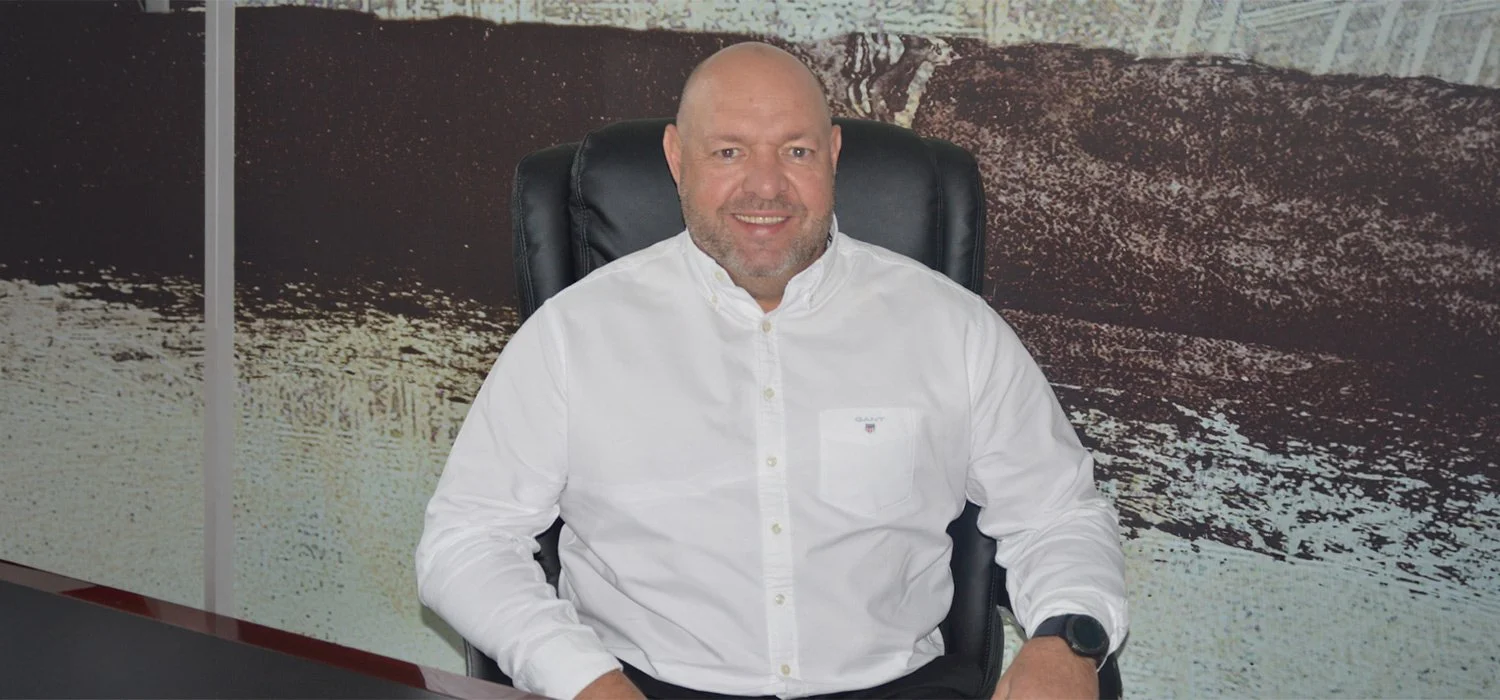
ABOUT HEINRICH BADENHORST
Heinrich Badenhorst is an attorney with Manong Badenhorst Incorporated and he specialises in litigation and commercial law, which includes trust, estate planning and deceased estates. Heinrich Badenhorst obtained his B.Proc degree from the North West University (Potchefstroom) in 1996. He entered into articles of clerkship with Pupuma Moller Engelbrecht Attorneys based in Northcliff, Johannesburg. His article of clerkship was ceded in 1997 to Cilliers Hattingh Incorporated, Menlyn, Pretoria. He went on to complete his articles of clerkship and was admitted as an attorney in January 1999.
FREQUENTLY ASKED QUESTIONS ABOUT WILLS & ESTATES
Information supplied by: Manong Badenhorst Attorneys, Tel nr.: 010-475-0114, www.fastlaw.co.za
1. What is a will and who needs one?
A will is a legal document that specifies how assets are distributed after death, ensuring the testator’s wishes are followed. It prevents disputes and allows individuals control over their estate. Anyone with assets, dependents, or specific distribution preferences should have a will.
2. What happens if there is no will?
If someone dies intestate, their estate is distributed under South Africa's Intestate Succession Act, which may not align with their wishes. This can lead to family disputes, lengthy legal processes, and unintended disinheritance.
3. What is an executor and why appoint one?
An executor administers the estate, ensuring debts are paid and assets are distributed per the will. Without one, estate delays may occur, requiring the Master of the High Court to appoint an executor.
4. How should heirs be described in a will?
Heirs should be clearly identified with full names, ID numbers, and relationship to the testator. For minors, a guardian should be nominated to manage their inheritance.
5. Which assets form part of a will or are excluded?
Most assets like property, bank accounts, and belongings are included. Excluded items are retirement funds, certain insurance policies, and trust-held assets. Section 3(3) of the Estate Duty Act includes deemed property such as life policies and accrual claims.
6. What property is excluded from an estate?
Assets acquired before becoming a South African resident may be excluded. Offshore assets may require a separate offshore will. Fixed property in another country is governed by that country’s laws.
7. Are there exemptions from estate duty?
There are no full exemptions, but deductions, rebates, and exclusions apply. Key exemptions include spousal transfers and donations to public benefit organizations.
8. How to protect minors' inheritance in a will?
A testamentary trust should be established to manage funds for minors until they reach adulthood. Without a trust, the inheritance may go to the Guardian’s Fund, which can limit fund access.
9. What is estate duty and when is it payable?
Estate duty is taxed at 20% for estates over R3.5 million and 25% for amounts above R30 million. It must be paid within one year of death.
10. Updating a will after divorce
Section 2B of the Wills Act excludes a former spouse from inheriting if the testator dies within three months of divorce unless specified otherwise. After three months, the former spouse may still inherit if the will isn’t updated.
11. Protecting inheritance from marriage claims
An inheritance can be excluded from a joint estate by adding a clause in the will that prevents its inclusion in future marital property claims.
12. Who can sign as a witness and will requirements
Witnesses must be at least 14 years old, competent to testify, and not a beneficiary of the estate. Wills must be signed by the testator and two witnesses in each other's presence.
13. Where should a will be stored?
A will can be kept with an attorney, financial institution, bank safe deposit box, or trusted family member.
14. What is a living will?
A living will outlines medical wishes if the individual becomes unable to communicate. It informs healthcare providers about end-of-life care preferences.
15. Does a prenup affect a will?
A prenup can protect certain assets from being automatically included in a joint estate, ensuring those assets are distributed per the will’s instructions.
16. Disputing a will
Wills can be disputed on grounds such as lack of mental capacity, undue influence, fraud, or improper execution.
17. How often should a will be updated?
A will should be reviewed every 3-5 years or after significant life events like marriage, divorce, or major asset changes.
18. Are handwritten wills valid?
Yes, handwritten wills are valid if they meet South Africa’s requirements, including proper signatures and the presence of witnesses of at least 14 years old, competent to testify, and not a beneficiary of the estate. Wills must be signed by the testator and two witnesses in each other's presence.
19. Providing for minor children in a will
Setting up a testamentary trust ensures funds are managed responsibly. Without one, funds may be transferred to the Guardian’s Fund, which has limitations.
20. Common will mistakes
Mistakes include failing to nominate a guardian, omitting a testamentary trust, not signing the will correctly, or failing to update details after life changes.
21. Difference between a will and a testament
The terms are interchangeable in South African law.
22. Taxes applicable when a person dies
Applicable taxes include personal income tax, capital gains tax, estate duty, and donations tax. Executors must ensure tax returns are filed.
23. Capital Gains Tax
Upon death, assets are treated as sold, with capital gains tax applied on the deemed sale. Some exclusions apply, such as for a primary residence.
24. Estate Duty Tax
Estate duty applies to estates over R3.5 million at 20% (first R30 million) and 25% for higher amounts. Spousal inheritances are postponed for estate duty purposes.
25. Donations Tax
Donations over R100,000 per year are taxed at 20%, increasing to 25% for amounts above R30 million. Certain exemptions apply.
26. Trusts for estate planning
Trusts protect assets, reduce estate duty, and provide continuity for heirs. Testamentary trusts are created via a will, while family trusts are established during the founder’s lifetime.
27. Trust establishment process
Creating a trust amongst other requires drafting a trust deed, appointing trustees, registering the trust with the Master of the High Court, obtaining Letters of Authority, and registering the trust for tax with SARS.
28. Appointing trustees
Trustees must be impartial and informed. Any adult can be a trustee unless disqualified by the trust deed or law. For family business trusts, an independent trustee is required if trustees and beneficiaries are the same.
29. Trusts and creditor protection
Properly structured trusts protect assets from creditors as they legally belong to the trust.
30. Tax advantages of trusts
Trusts reduce estate duty and can distribute income to beneficiaries with lower tax rates. However, trusts are taxed at 45% on retained income.
31. Costs of setting up a trust
Establishing a trust involves costs such as drafting fees (R5,000 – R25,000), registration fees (R250), and ongoing accounting costs.