
Stephanie Baartman: I Saved Myself
When life takes an unexpected turn, and relationships become the prison from which we think we'll never escape... it's only a strong will, determination, and tough decisions that help us to break free.
Stephanie Baartman is the embodiment of just that. As one of South Africa's rising stars in entertainment, on TV, theatre, and broadcast media, she is a true survivor.
A story, not often shared, that takes a long and winding road, before Stephanie could finally break free, and start building her dream life, with her 2 beautiful children.
Today, Stephanie is celebrating the many hats she is wearing: Lettie in Diepe Waters, hosting a radio show, showcasing her singing talent in a musical, and of course, her multi-award winning, one-woman show, "Hoort," which she is performing across South Africa.
Brought to you by Epi-Max Baby & Junior - Our Family, for Your Family. Sponsored by Curaprox and supported by Jacaranda FM.
Also available on: Apple Podcasts and Spotify.
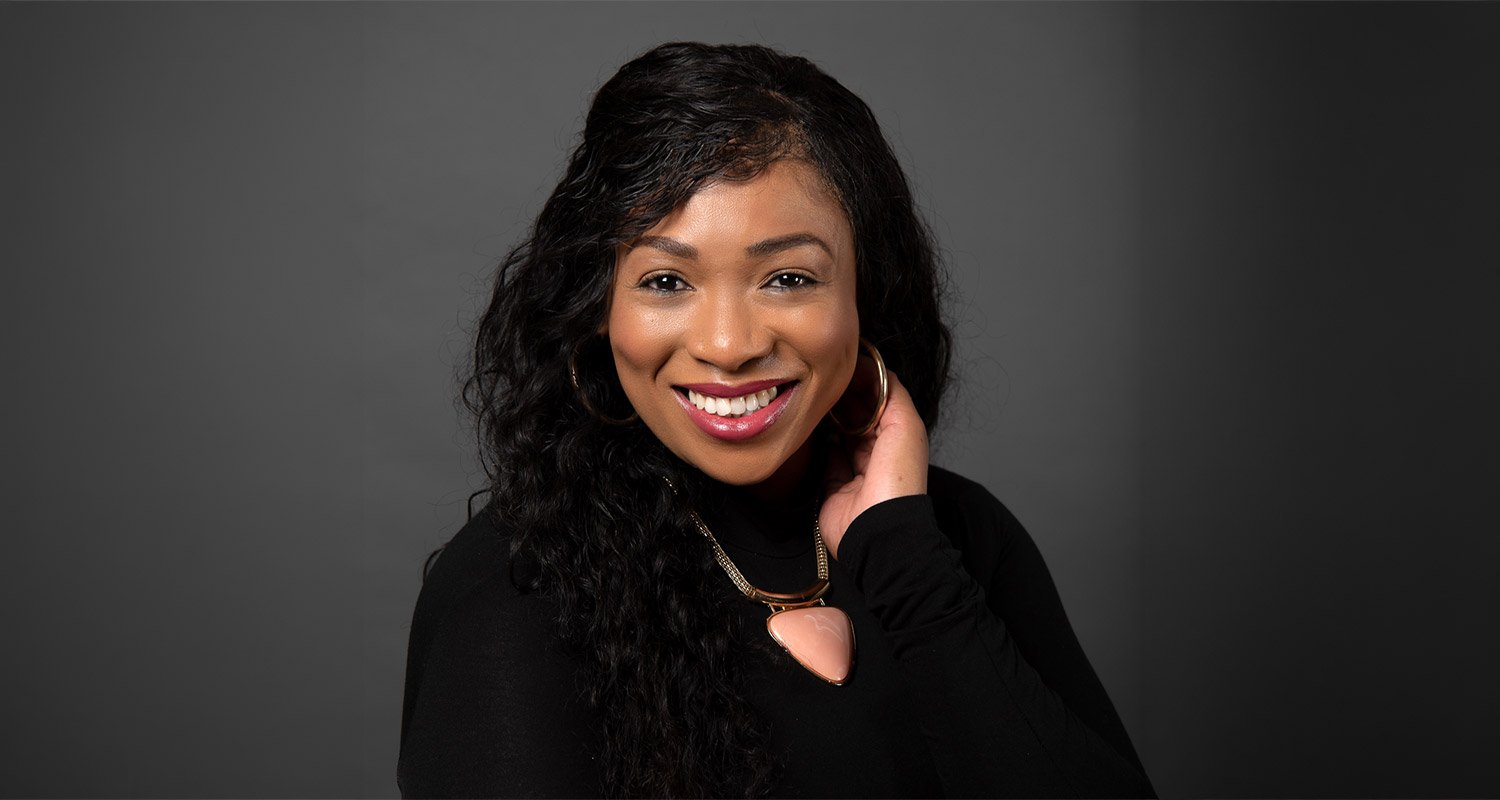
ABOUT STEPHANIE BAARTMAN
Stephanie Baartman is a South African singer and actress, best known for her role as Bibi in the Kyknet soap opera “Getroud met Rugby”, where she played this role for 7 years. She can currently be seen as Lettie in “Diepe Waters”, and also as Kaptein Reinette in “Reënboogrant”. Stephanie is currently performing throughout South Africa in her one-woman show about her life, “Hoort”. This play was written in collaboration with playwright Johann Slabbert, directed by Elzabe Zietsman, and accompanied by Janine Neethling on piano in some original compositions.
Stephanie is no stranger to the stage, she has been seen in numerous productions at Innibos, Aardklop, KKNK, Kalfiefees, Suidoosterfees and also the Toyota Stellenbosch Woordfees, where she was the recipient of the award for “Outstanding Contribution to Contemporary Music” for Hoort. She was also nominated for a Kanna for “Best Solo Performance”. “Hoort” is also now on its way to Bloemfontein for the Vrystaat Kunstefees and will once again be seen at the Woordfees in Stellenbosch later this year. Stephanie is very versatile. Her portrayal of 3 different characters in the comic farce “Hospitale, Kateters en Familielede” by Wynand van Vollenstee, is proof of this.
Throughout her career that spans over 20 years, she has received numerous nominations for her work and boasts with 3 trophies won to date. One of the biggest challenges in her career, was replacing the legendary Amanda Strydom in a musical production called “Brel and Piaf” earlier this year. Learning and singing songs in French alongside the legendary André Schwartz were no easy feat, but something she mastered with flying colours and is extremely proud of.
Since 2025 she has also been a regular late night radio host on RSG and can now be heard every Thursday night between 6pm and midnight on 101.5fm. Steph’s first love remains singing of course, and she performs wherever she is asked, often across borders. She is a seasoned motivational speaker, and performs at many corporate functions and churches, where she showcases a diverse array of her talents.
Steph grew up in Cape Town, where her Mom and Dad are both Pastors, and singing, speaking and dancing were always encouraged. She currently lives in the artists’ suburb of Melville in Johannesburg, where she is the proud mom of a 17-year-old daughter, Symphony and 13-year-old son, Duma. She says she has no hobbies, because… ‘there is simply no time.’ When there is free time, it will soon be filled with a new song to learn or a script to study for her next shoot. Throughout all the chaos, she always manages to make time to connect with her children and loved ones, enjoying walks with her dog Tinky around the Westdene dam, or she will be found conjuring up authentic Cape Malay dishes like Butter Chicken and Breyani in the kitchen.
Podcast Transcript
Prefer to read instead? Here’s the full transcript from this episode of the Baby Brunch Podcast.
Short on time? Scroll to the key takeaways below.
ELANA AFRIKA-BREDENKAMP
Here on Baby Brunch, we get to chat to many people, and even just setting up today’s chat with our beautiful personality — ooh, I’m so excited — I realised that she wears many hats.
She wears the hats of motherhood, music, purpose. She’s building businesses.
I’m so surprised and amazed to see how much information is online where you are singing. I’m so inspired.
So friends, Baby Brunch audience, today we’re chatting to Stephanie Baartman.
You didn’t know I could whistle, right?
STEPHANIE BAARTMAN
How are you?
ELANA AFRIKA-BREDENKAMP
I know! My dad tried to teach me to whistle. I was like, “Oh, I want to whistle!” But I couldn’t.
STEPHANIE BAARTMAN
It’s amazing how girls are able to do that. I always felt like it’s a boy thing to do.
ELANA AFRIKA-BREDENKAMP
You wear so many hats, and even today you let me know that you’ve just stepped out of a shoot.
What did you do tonight? What was your day like?
STEPHANIE BAARTMAN
I’ve just come out of a publicity shoot.
Every time before the show starts and before they go to commercial breaks, they say, “Diepe Waters…”
Wait, I can do that!
ELANA AFRIKA-BREDENKAMP
I can do the voice! Okay, wait. What must I say?
STEPHANIE BAARTMAN
“Volgende op Diepe Waters…”
ELANA AFRIKA-BREDENKAMP
Okay: “Volgende op Diepe Waters…”
I’m not the voice of kykNET!
STEPHANIE BAARTMAN
Well, I’ve got new publicity for Suidooster. So, yeah.
I always get nervous because I’m not trained for this. I’m trained to sing the right note.
ELANA AFRIKA-BREDENKAMP
For those of you who don’t know Stephanie, I’ve seen her in so many different places.
Stephanie is an actor, like she mentioned. I’ve seen her uplift audiences where she uses her talent of singing to help children. She’s literally a role model and a consultant for many high school students who want to sing and be like her.
Then she’s also a performer and entrepreneur.
Stephanie, I wanted to bring you here today because you’re probably the one mom I know who is still a whole vessel. You’ve been through growing up, just like me, in Cape Town. Then you made it in entertainment.
You have had money, loss, excitement, not excitement, joy, sadness. You’ve had all those emotions.
Yet, when I see you, it always feels to me like you are winning — and you’re always so kind.
How come, as a mommy and as a person, it never looks like you’re burdened? What’s your secret?
STEPHANIE BAARTMAN
I think I learned early in my life: you fake it till you make it.
And I think that has a lot to do with faith, because my parents are both pastors. Faith has always been part of my life. Growing up with the Word of God has always just been who I am.
And then I learned that faith is the substance of things that you hope for and the evidence of things that you don’t see yet.
My mom has always taught me to praise God for the things that you don’t even have yet.
Some of those things just always find a way to work themselves out.
So when I’m standing in a difficult situation and I remember the difficult times, I also remember all the good times that I went through.
And I know: okay, this too shall pass.
I think that’s what has kept me going all along.
ELANA AFRIKA-BREDENKAMP
Well, your smile is making a whole lot of people smile.
Your faith and your strong roots and your love for God are making other people show up.
What a beautiful reminder it is, I think, for all of us to remind ourselves what we grew up in and the values that our parents taught us.
We quickly need to say thank you to our supporters. Without them, this wouldn’t be made possible.
Thank you so much for all your support over the years.
We want to say thank you to Epi-Max as well as Curaprox.
ELANA AFRIKA-BREDENKAMP
So wait a minute. If you’re a pastor’s child, right, then I’m going to have a lot of questions!
Where in Cape Town are you from?
We grew up in Ravensmead and then eventually we grew up in Bellville. But we praised the Lord in Elsies River, in Matroosfontein.
STEPHANIE BAARTMAN
Oh no, I’m from Bellville itself.
ELANA AFRIKA-BREDENKAMP
I still today do a lot of visits, and I think my home is in Matroosfontein because that’s where my people are who prayed for me — and who pray for me until this day.
They are all in Matroosfontein, in the church that we grew up in.
So I have a very strong connection to Matroosfontein, Ravensmead because I lived there, and then Parow High School and Stellenbosch because that’s where I did my tertiary education.
I thank God, actually. This is a blessing.
I thank God that the people I grew up with, the people who prayed for me before I became Elana Afrika-Bredenkamp, those people are still in my life.
STEPHANIE BAARTMAN
Yeah, that’s exactly my experience as well.
The church groups — I’m still in the church WhatsApp groups, and I still get all the good notifications and the prayer requests.
Those are the people who prayed for me.
That’s what keeps me rooted and grounded.
ELANA AFRIKA-BREDENKAMP
Talking about being grounded, we know you as a mom. Then you’re this businesswoman and you’ve got all these different chapters of yourself.
But outside the Diepe Waters Steph, the one we see on stage, the one with the glamorous hair and the beautiful lipstick and that gorgeous makeup that you’re wearing — if we had to talk about little Steph, who are you? Where are you?
STEPHANIE BAARTMAN
I’m in my mom’s kitchen pretending to have lots of cameras around me, always in a cooking show.
Before I cook, I still imagine that there’s a camera there. There’s no real camera — it could be a glass or whatever in my imagination — and I’m pretending to be cooking and I’m busy telling them my life story.
It’s so amazing how many interviews I’ve done, Elana, as an adult, but I think I did more as a child in my imagination.
I would sit and sing, and before I sang I would speak to the audience and say, “Thank you for this opportunity for me to be here.”
And what’s so funny is that I never spoke about my husband, but I always talked about my kids!
I would always say, “I’ve got two beautiful children,” and even say the names. I would tell them about this amazing life that I have.
I would make my story.
Then I’d say, “Okay, thank you so much. It was awesome being here with you. Until next time, goodbye.”
So that was me as a child with a wild imagination.
Never did I know that this is where I would end up.
A lot of things happened in my life that made me think that was just a dream — until one day it wasn’t anymore.
And I was living that dream.
ELANA AFRIKA-BREDENKAMP
We speak so beautifully about prophesying.
And I know you were joking when you said you never mentioned that husband — you should have prophesied about that husband!
But if you look at life…
My parents saw our neighbour the other day. When we moved to Bellville, we had that big bathroom, the one big bathroom you could bath in, and that was where I would sit.
I would hit those growing notes as a kid. I was 16 years old and I would sing in the bath.
It was like my safe place. That’s where I went to breathe through the day.
My daddy said to me the other day, “I saw our neighbour from then.”
Our bathroom window was across from her kitchen window, and she used to hear me sing as a child.
For a moment there, Stephanie, I thought to myself: why aren’t we reliving these moments when we were so happy?
Singing in the toilet and the bathroom or pretending to be interviewed?
We should relive those moments.
It was actually a very cool time. We had nothing.
STEPHANIE BAARTMAN
But yet we had.
And you realise that there are now people teaching people how to speak into their future by pretending.
And we did that.
We did that naturally.
It’s really a concept that we should use more often as adults. We forget about speaking to ourselves in the mirror unless you go for this crash course or life-coaching session where they actively activate that again in your brain.
We forget that these are the things that brought us where we are.
We spoke it into our lives. We sang it into existence. We spoke it into existence.
Being an adult, life just becomes so busy that you forget to go to that happy place again.
ELANA AFRIKA-BREDENKAMP
There are so many podcasts that talk about your inner child.
Mel Robbins wrote a whole book about giving yourself that high five. Yes, it actually exists!
So you are right.
Perhaps it’s time that you do go back to that time of dreaming and singing and speaking things into existence.
If I look at your life and how we’re now talking about the good times — and sometimes even the good times didn’t feel so good — here we are.
What do you think is the one thing that music taught you?
STEPHANIE BAARTMAN
I think music for me, especially because I haven’t written many songs of my own, is about interpreting.
I sing a lot of covers, a lot of songs that other people wrote, and internalising those songs and making them my own has brought so much healing in places where I didn’t even know I needed healing.
Then standing in front of an audience and being able to sing to them and realise that it’s having the same effect on them allows me to be like, “Okay, I’ve done my part as a singer.”
Music is something that — when you’re born, the very first voice that you hear is your mother’s.
Then to experience it for yourself and internalise it and actually bring that sound out of your mouth…
That is what music is to me.
It’s an immediate satisfaction to see the effect that it has on people.
With acting, you get a chance. You can cut and say, “We’ll do it again.”
With music, interpreting it right the first time is all you can do.
Sometimes you get the luxury of saying, “Sorry, that was the wrong key. Can we start again?”
But once you step onto that stage and sing to the audience, you are live and they are watching you. There’s no second chance.
I have found that what has worked for me in my career is that I don’t concentrate as much on singing the notes right, but on bringing the message of the song across in the best way possible that will touch someone’s heart.
Telling the story through what I’m singing.
If I realise, okay, my voice is not going to hit that note right now, then I just tell the story because I’m an interpreter. I’m an interpreter using music.
I think that is what has given me longevity in the industry, and I believe it’s still going to take me a lot further.
Even if anything happens where I can’t belt as much as I used to, I’m still able to tell the story because I’ve internalised it myself and I’m now conveying that message to the audience.
ELANA AFRIKA-BREDENKAMP
I’m very proud of you.
I think you’re incredible, and you’re right: your talent will take you many places.
I believe that the way you’re using your talent and how you’re touching people’s hearts — using it for good and uplifting our youth — is phenomenal.
I’ve seen how young people look at you when you’re standing on the stage and that light is shining brightly on you.
And even when people ask, “What is she like?”
Every backstage conversation, when the cameras are not rolling, has always been so beautiful with you.
I want to commend you on that.
And I want to say thank you for holding space for everybody — not just for our closest family or our church people, but even people in the industry and our youth who need you so much.
You talked about music. You get on stage and there’s seldom that second chance. In television, when the director says, “Action,” they can say, “Cut!” and you can start again.
There are some moments in your life and in mine where we can’t cut.
Life just runs ahead and we have to cope. We have to depend on resources that sometimes we don’t even know we have.
Being a mommy, and how your priorities as a mom changed overnight — was there a time where you wished that the director of your life would just shout, “Cut! Stop”?
STEPHANIE BAARTMAN
There were many such moments. Many.
But I think the biggest shift in my life was when I had to step away from a physically abusive marriage.
My daughter was eight and my son was four.
The abuse had been there since my daughter was nine months old.
By the time she was eight years old, she was able to see it. I couldn’t hide it anymore.
And then I realised that these kids are now trying to protect me and say to me, “Mom, at least just don’t say anything. Just don’t say anything.”
I realised the burden that they were experiencing by trying to protect me as an adult.
I was still very young, but I was an adult and I needed to make a decision.
I really wished there was someone who could tell me, “Okay, yes, you can go away. Yes, you will be okay. Yes, it’s the right decision.”
But there is no such person.
There’s no one who is going to tell you what your future is going to look like and that you will be okay.
At that moment all you’re thinking is: I don’t know if I’m making the right decision, walking away from the only home that my kids have ever known.
We ended up in front of a police station with only our clothes around us, in black bags and wrapped in duvet covers.
We got there at about seven o’clock on a Sunday morning, and by six o’clock that evening the police said, “Well, we are changing shifts now. You need to decide where you’re going.”
At that time my parents were all the way in the Eastern Cape. I had no one in Joburg with me. Nowhere to go.
I went through my phone because it was getting dark and I managed to call one of my friends.
Her number had not changed over all these years. She was with me at varsity.
I called her and said, “This is my situation. I know I haven’t spoken to you in so long, but are you able to help me? I’m standing at so-and-so place.”
And she said, “Yes, please come.”
The rest is history.
At times like that, you wish there was someone who could say, “Okay, cut. Let’s redo this. Let’s take you back to where you were at university before all of this happened. Start your career with the rest of your friends. Don’t go on that route; go on this route.”
But then I would not have had my beautiful children.
And I wouldn’t have so much empathy for someone who is going through the same thing.
ELANA AFRIKA-BREDENKAMP
Determination. Strength. Courage. Bravery.
STEPHANIE BAARTMAN
Also empathy for someone who is going through the same thing.
People are so judgemental.
They say, “It’s actually so easy. Just go.”
And it’s not that easy when you’ve got little eyes looking at you.
ELANA AFRIKA-BREDENKAMP
You know what’s interesting? I’ve heard you speak to me about this before.
And I get sad every time. Then I thank God for where you are right now because you have blossomed and you are incredible and you’ve achieved.
A lot of the time, we’re actually just going through what we need to do on that day, and we don’t get to tell these personal stories when we are all backstage.
Immediately, there are two things that come up for me right now.
If you had to say something to that friend who came to fetch you and the babies at the police station that night when you were stranded, what do you want to say to her?
STEPHANIE BAARTMAN
Thank you for saying yes and for saving my life.
Thank you for not saying, “It’s a Sunday evening, I’m at home. I’m sorry, I can’t help.”
Thank you for saying yes.
Because if she didn’t, I don’t know. I would probably still be there.
ELANA AFRIKA-BREDENKAMP
And that was my second question.
I have been asked before, because I’m known from the radio and television and we want to help a lot of people: “How do I get out?”
My life has taken a different journey. I’ve had other challenges, but I’ve never been in an abusive relationship.
I don’t know what to say to people who ask me, “How do I get out?”
So now I want to ask you: when is the right time?
How do you know now is the time? How do you know you’re doing the right thing?
How do you know when to draw the line in the sand?
As a person in an abusive relationship, how and when do you know it’s time?
STEPHANIE BAARTMAN
I think when you start believing the things that the person abusing you says about you.
When you start believing that you deserve it.
When you start making excuses.
When you start realising that you are believing what the perpetrator is saying about you, then you know you are too far gone to continue.
The only little hope that you have of saving yourself is stepping away from that situation.
When I walked out that day and my friend came to fetch me, and my face was badly beaten up and everything, I didn’t know what I would do tomorrow.
I didn’t have it all planned out in my head.
ELANA AFRIKA-BREDENKAMP
Would you have gone back?
Because you didn’t know. You had no other resources. Would you have gone back?
STEPHANIE BAARTMAN
If the people around me, when I cried for help, had not been there, I probably would have.
That very next week my parents came and fetched me and took me to their house in the Eastern Cape.
There were attempts to get me to say, “Okay, I give up. I’m coming back home.”
But if I didn’t allow people into my life who could speak into my life and say, “Steph, we want to help you. Take it one day at a time…”
Coming back to what I was saying in the beginning: on that day when I left, I did not have it all planned out in my head.
I think that is the biggest problem with victims.
You want to have all things planned out in your head. You want to say, “Okay, I’m going to do this. I’m going to move there. I’m going to live there. I’m going to work there. This is what my life is going to be like.”
It’s not going to work like that.
All you have to do is take it one day at a time.
The first thing is to step away from that situation.
Then, from there, tomorrow you take another step.
What do I need to sort out for this day?
For this day, I need to find out: am I still okay to live here with these people?
No? Okay. Let me find out: my auntie, my mom, my wife — whoever. Let me go there.
Once you’ve made it there: okay, now I’m here. What’s the next thing?
Every step of the way needs to be planned out for that day.
Because once you become so overwhelmed with, “What am I going to eat? Where am I going to work? Where are my kids going to go to school?” you will end up going back.
I think that is what really helped me, Elana — to not think about what’s going to happen a week from now.
What’s going to happen in the next hour?
The sun is about to set. What am I going to do now?
Okay, here’s my phone. I’m going there.
Once I’m there, next step: call my mom.
“Mummy, this is what happened.”
Next step.
If I had to plan it all out in advance, in my head trying to figure it out, there would be nothing that would work.
Because we don’t hold our lives in our own hands.
Many times, a lot of people like me didn’t even have money to buy the kids a packet of chips while standing right across from the Spar.
You couldn’t get them anything to eat for that day.
So now you’re thinking, “It’s too much. I can’t make it.”
But I’m telling you now: after that next step that you’ve taken, you will see that there is provision.
You are okay.
ELANA AFRIKA-BREDENKAMP
I have a hundred questions. I’ve thrown them all out because now you’re motivating and upsetting me all at the same time!
There’s a book that talks about the quantum leap.
What it means is that sometimes with our decisions, we plan so intensely that the planning itself exhausts us.
I had a friend who had a stroke and I gave him the book on quantum leaping. I said to him, “Walking after your stroke — you can’t plan that. You just need to believe that you’re going to do it.”
And the other day I got a video and he’s walking.
I like the idea of doing something — jumping in the right direction — and then suffering the repercussions because you are making a decision or jumping in the right direction for yourself and your family.
What follows is, like you say, the next step of it becoming better.
Not necessarily becoming right.
Positivity doesn’t always land joyously like it does in the movies.
Sometimes joy is that one step forward in the right direction.
What kind of mother, in the times that it was hard and in the times that it feels amazing, did you hope you’d become?
STEPHANIE BAARTMAN
I think I hoped that I’d become a mom who understands and who has empathy.
My daughter is 17 and my son is 14.
They think I’m not cool, but I think I’m cool!
I think I’m a cool mom. I’ve been around the block, so you can’t make a fool of me.
I’ve seen things. I’ve done things.
I want to be the kind of mom who understands that when they go through things, my heart is close enough to understand what they are experiencing.
I think what my struggles have allowed me to do is to show them that you are able to overcome anything that comes your way.
In real life that could be exams, that could be dreams, that could be someone who doesn’t want to talk to them anymore, or seeing things other kids have that they also want and can’t have.
I can show them: “Listen, nothing that you go through now is forever.”
Please remember where we came from and how life has changed.
This thing that you want now — you might not have it now, but if you work hard enough, you will.
Because that’s the only experience I have.
Now, after everything we’ve been through, we’re living in the suburbs with uncapped Wi-Fi and all that.
ELANA AFRIKA-BREDENKAMP
And dogs!
Do you have dogs?
STEPHANIE BAARTMAN
Beautiful dogs! All of that.
Then they start complaining: “Mom, what’s wrong with the Wi-Fi?”
I’m like, okay, don’t call me. Let’s go for a drive.
Then we drive through an area close to where I stay.
On the day that I took them through there, there was a lady throwing water out into the street.
I said, “Do you know that was the lady’s bath water?”
Because they’re not exposed to that.
Then I said, “Do you see how this woman is still smiling, laughing with her friends, throwing out her bath water or her laundry water or whatever?”
You’re living in this comfortable home.
You have Wi-Fi, even if it buffers sometimes.
You have a warm bed to sleep in.
There used to be a time in our lives when we could have lived here.
After all of that, we could have lived here.
But look where you are.
Then I get all my nightly stress again for a week!
ELANA AFRIKA-BREDENKAMP
It’s called “go for a drive.”
I like it.
Showing them on YouTube is not the same.
STEPHANIE BAARTMAN
It’s not the same.
ELANA AFRIKA-BREDENKAMP
I met a client the other day and her children thought slums were only overseas.
They didn’t believe that here in South Africa, where they stay, people can be disadvantaged.
She did the same thing.
I think it’s so important, like you’re saying, to have perspective.
But even perspective in our own lives.
Even when I have a little, I feel like I have a lot because I grew up knowing that the little I had was provided by the Lord.
Even in the midst of how I grew up, because my parents are God-fearing people, very chilled, very calm, I never thought that I had nothing.
I was 20 years old when I started working.
When I started TV, I realised, “Oh, I’m supposed to have feelings about how I grew up.”
Before then, it wasn’t a thing for me. I was quite happy with how things were.
For us, it wasn’t unusual after church to ask, “Who doesn’t have a place to eat today? Because you’re coming home with us.”
It wasn’t a thing. It was just how it was.
Only in my twenties did I learn what real selfishness looked like, because it was never in my home, my community or my church.
That emotion of, “You can’t sit with us. You can’t have. Mine.”
I learned it very late.
It’s still an emotion that doesn’t sit well with me.
STEPHANIE BAARTMAN
What an awakening.
It’s like an Adulting 101 that no one taught you if you grew up as sheltered as we did.
Then when you get to the reality of what adulting looks like — which is not what it’s supposed to look like, but that’s the reality — it can really shock you.
ELANA AFRIKA-BREDENKAMP
If you’re leaning over your wife’s shoulder and you just nodded into this podcast and you’re wondering what is going on here — it started out as me wanting to chat to an entrepreneur and a mom!
Instead, we got resilience. How to make the next step. How sometimes when we dream, it doesn’t have to all be planned.
You can dream and take the first step — that quantum leap — and it will work out.
As a mom, sometimes a single mom, sometimes a working mom, sometimes an entrepreneur, how do you prioritise?
I don’t want to use the word balance.
I sometimes find that the word balance leaves me feeling unfair.
So I want to talk about priorities.
What do you prioritise as a mom who has to wear all those different hats?
STEPHANIE BAARTMAN
Elana, I think as a single mom, I have to be honest.
Not that I don’t prioritise my kids, but unfortunately I’m all they’ve got.
And that is why you see me all over the place.
The mom guilt makes you feel that you are not prioritising your kids.
But what I’ve learned to help me cope is that me prioritising working for my kids is me prioritising my kids.
There are opportunities that my kids might miss out on if I say, “I have to be at home and take care of them. I can’t work as hard as I am.”
I think God has really blessed me with very emotionally mature kids.
My mom always says to me, “You must remember your journey is your journey, but these two kids also have their journey. What is happening to them is also moulding them.”
I think my negative experiences moulded them into these wonderful young teens that they are because they are so understanding. They are so supportive.
They are so in tune with my schedule.
They know, “Okay, from four o’clock on Thursday, Mom is not going to be at home and we’ll see her the next morning.”
They’re happily home, and I come back and the dishes are washed, they are showered and no one needed to say anything.
They help me to feel as if I’m coping as a mother.
Whereas I’m just busy putting on one hat or wearing the other in order to make sure that, at the end of the month, I’m able to pay the things that need to keep them alive.
In those moments, you can feel that you’re not prioritising your kids.
But you are.
You are.
There will come a time when you’re able to sit down and just be.
I thank God for the mornings that I get to drop them off at school, where we can sit and chat and pray in the car.
Those are the special moments.
They are small moments.
Sometimes I only get home again after they’re in bed, and that can make you feel like, “No, I’m not a good mom.”
But what you were doing in that day was all for them.
So, yeah, that’s how I prioritise.
I cannot say I have to do only one thing and be a mom.
That is me being a mom.
ELANA AFRIKA-BREDENKAMP
Well, with all your different hats, you wear them so well.
I did not think this was how we were going to spend this evening together.
What does reinvention mean to you?
I’m thinking of the different stages of our children.
I have four kids, so I am Grade 3 for the fourth time — and it’s different every single time!
I’m thinking of how I’m reinventing for my kids.
My eldest really has the best of me right now because when I had her for the first time as a seven-year-old, I was fancy — but so inexperienced with this whole thing.
Reinvention for me means, wow, right now, as I’m sitting here, I feel fit. I feel like I’ve got most of my stuff together.
I feel wiser in my forties.
That, for me, is reinvention.
What is it like for you?
STEPHANIE BAARTMAN
When it comes to the kids, I’m finding that you don’t always know what child is standing in front of you right now.
Their personalities change.
One moment they like you; the next moment they like you a little bit less!
Then you go deep inside yourself and think, “There’s a piece of that child in me.”
You find out what side of Steph this child is actually acting out right now.
Then I find empathy with that and deal with that.
I realise that my son is a lot like me in terms of, if something becomes too overwhelming, he needs to go away for a while.
Procrastination, you know?
So I’m able to say to him, “I know how you feel. I was like that.”
If I have too many lines to study, if I have too many words and I can’t get it into my head, then I just leave it.
Then I don’t want to study.
But on the day when they say, “Action!” I won’t know what to say, and I don’t want to be in that position, so I would rather do it.
I can say to him, “I know how you’re feeling right now. You don’t feel like it, so you want to run away from it. But if you study it now, you’re going to feel so much better tomorrow.”
Being a bit of who I am so that I can match with where they are in each phase of their lives.
ELANA AFRIKA-BREDENKAMP
I have two questions left that I want to ask you.
It’s the month of August.
I experience you as the ultimate woman.
It’s almost impossible to understand that you’re the single mom doing it so intentionally and beautifully by yourself.
What would your message to all women be, as you’re sitting in your glamour, knowing that it doesn’t always look the way that you look tonight?
STEPHANIE BAARTMAN
I would say what has really kept me, Elana, is not comparing myself to my friends and peers.
Do you know that is the biggest killer of anyone’s dreams?
You will put yourself in such a pit.
You will put yourself in positions because you want to portray a life that you cannot afford for where you are right now.
I’m not saying don’t dream.
I’m not saying don’t have hopes or aspirations for yourself.
But don’t compare yourself to someone else, your friends or people you see online.
We always say this to little kids: “Stay away from social media because you’re going to want the things that other kids have.”
But us as ladies and as adults, we do that all the time.
Next thing, you find yourself in a position where you are not able to maintain your life and your costs.
What you see is what you get with me.
I was living in the south of Johannesburg in that situation, watching all my friends on TV.
I would sit there and dream and wish and want that for myself as well.
Life took its long turn with me.
A long turn.
I did not sell my soul to the devil to get to where I am.
I did not sell my body to get to where I am.
I did not put myself in any situation where I cannot say, “This was all God.”
I took my time to get to where I am.
Sometimes we can put ourselves in such positions because we want to be where others are.
We want our kids to wear the clothes that other people’s kids have.
We put so much unnecessary pressure on ourselves just because we want to look a certain way and maintain a certain image.
But those things that you are maintaining are like candyfloss. They can disappear in your mouth just like that.
The things that you work hard for, even if it takes time, are the things that will remain and stay.
I wish I could tell that to all my friends and the people I grew up with.
Yes, it’s okay to dream.
Yes, it’s okay to have aspirations for yourself.
But don’t put yourself in a position that you are not going to be able to maintain.
Be grateful for where you are in your life.
Make it as beautiful and as comfortable as you can for where you are right now.
And, as I said earlier, each phase — one step at a time.
Those are the things that will stay because you’ve worked very hard for them.
ELANA AFRIKA-BREDENKAMP
There are so many parents listening, and we are so inspired and motivated by everything that you’ve said.
I want to talk about this month and some of the things you’ll be doing on stage.
On radio and on TV, we don’t get to see this side.
I feel so blessed that I got to see this now because even when we work together, there are five minutes of quickly catching up.
STEPHANIE BAARTMAN
No, we need to get to talk like this!
ELANA AFRIKA-BREDENKAMP
Thank you for your time.
Thank you for reminding us that motherhood doesn’t have to just be dreams — that there’s deeper purpose for yourself as a mom and as an entrepreneur and as just a human.
That if we want to dream, then we can honestly follow our hearts.
And if we’re in a tricky and abusive relationship, we don’t have to have everything planned. We can make the decision and take it step by step.
As I’m listening to the story that you’ve written beautifully with God, we wish your children such an amazing life, and for you as well, may God bless you in your position in life.
Where are you performing this month?
STEPHANIE BAARTMAN
I’m going to be at the Kalfiefees in Hermanus in the middle of August.
I cannot remember the date, but I will send it to you, Elana.
ELANA AFRIKA-BREDENKAMP
We’ll make sure we post it.
STEPHANIE BAARTMAN
I’ll be doing a show celebrating Afrikaans music.
All I’m doing is trying to survive, and all I’m doing is living out my love for music.
I have a big love for Afrikaans music.
I’m grateful for the platform that kykNET has set for me because that’s where I started acting for the first time.
That’s my following and my audience, and they enjoy hearing me sing in Afrikaans.
There’s a golden thread that runs right through the show.
Along that journey, I pick up songs by legendary South African women.
Somehow, we are all connected as women.
It’s such an honour for me to be able to sing the songs of these legendary women who have shaped us and tell our stories.
I’ll be showing that at the Kalfiefees in Hermanus.
Then there’s a one-woman show that I’m also doing.
That will be on the 23rd of August at the Atterbury Theatre in Pretoria.
That show is about me and my life.
Some of the stories that I told you here today — I chose not to talk about the abuse in the show because it’s a story about what shaped me.
I don’t believe that your negative stories are the only things that shape you.
There are stories about me growing up in church.
Stories about how I came to look the way I look and speak the way I speak.
What is so special about this show for me is that it’s the first time I expose myself without my wig to the audience.
I do the entire show bald-headed.
It’s about reconciliation.
It’s about understanding that everyone has a story, and that if we just take the time to listen to each other’s stories, then we realise how much we actually have in common.
ELANA AFRIKA-BREDENKAMP
And that is such a beautiful place to leave it.
Stephanie, thank you for sharing your story so openly with us.
Thank you for the music, the laughter, the honesty, the faith — and for reminding us that sometimes we don’t need to know exactly how everything is going to work out.
Sometimes we just need to take the next step.
(Transcript edited for clarity and readability)
Key Takeaways
You don’t need the whole plan before taking the first step.
Stephanie’s experience of leaving an abusive marriage taught her to focus on what needed to happen next rather than trying to solve her entire future at once. Sometimes getting through the next hour or the next day is enough.Accepting help can change the course of someone’s life.
When Stephanie and her children had nowhere to go, an old university friend simply saying “yes” gave them somewhere safe to turn. Support does not always have to come with all the answers — sometimes showing up is enough.Leaving an abusive relationship is not as simple as “just go”.
Financial dependence, children, fear, isolation and uncertainty can make leaving extraordinarily difficult. Stephanie encourages women to recognise when they are beginning to believe an abuser’s words and to allow trusted people into their lives.Working for your children can also be a way of prioritising them.
For a single working mother, being present does not always mean physically being at home. Stephanie has learned to reframe some of her mom guilt by recognising that working, providing and creating opportunities for her children are also acts of motherhood.Give children perspective, not just comfort.
Stephanie deliberately reminds her children of where their family came from and exposes them to realities beyond their own comfortable lives. Gratitude, she believes, grows from understanding that circumstances can change.Don’t let comparison rush your journey.
Stephanie believes comparing ourselves with friends, peers and people on social media can push us into lifestyles we cannot sustain. Dream big, but build the life that is right for you rather than trying to reproduce somebody else’s.The things that take time can be the things that last.
Stephanie’s career did not happen on the same timeline as some of her peers. Her message is to work steadily, remain grateful for where you are and allow your own journey to unfold.Our difficult experiences are not the only things that shape us.
Faith, childhood, community, music, family, imagination and joy have shaped Stephanie just as deeply as adversity. Her story is not only about what she survived, but also about everything that helped her become who she is.