
PCOS is now PMOS: Why is this good news for Women?
"PCOS" is now called "PMOS"...
A simple name change, that makes a profound impact on women's health (and getting the correct diagnosis).
Previously, the name referred mostly to the reproductive system, specifically, cyst related. Often, this resulted in a misdiagnosis or complete lack of support and treatment. With "PMOS" the entire endocrine (hormonal) and metabolic systems are included.
A combination of symptoms that women have always experienced, but is now given a better description: life changing!
In this fascinating discussion we speak with hormone specialist & medical professional, Dr Juanri Jonck, about PMOS, and what the name change really means for diagnosis.
Women's Health is turning a corner, a remarkable change that now re-defines the understanding of so many commonly-ignored symptoms.
Brought to you by Epi-Max Baby & Junior - Our Family, for Your Family. Sponsored by Curaprox and supported by Jacaranda FM.
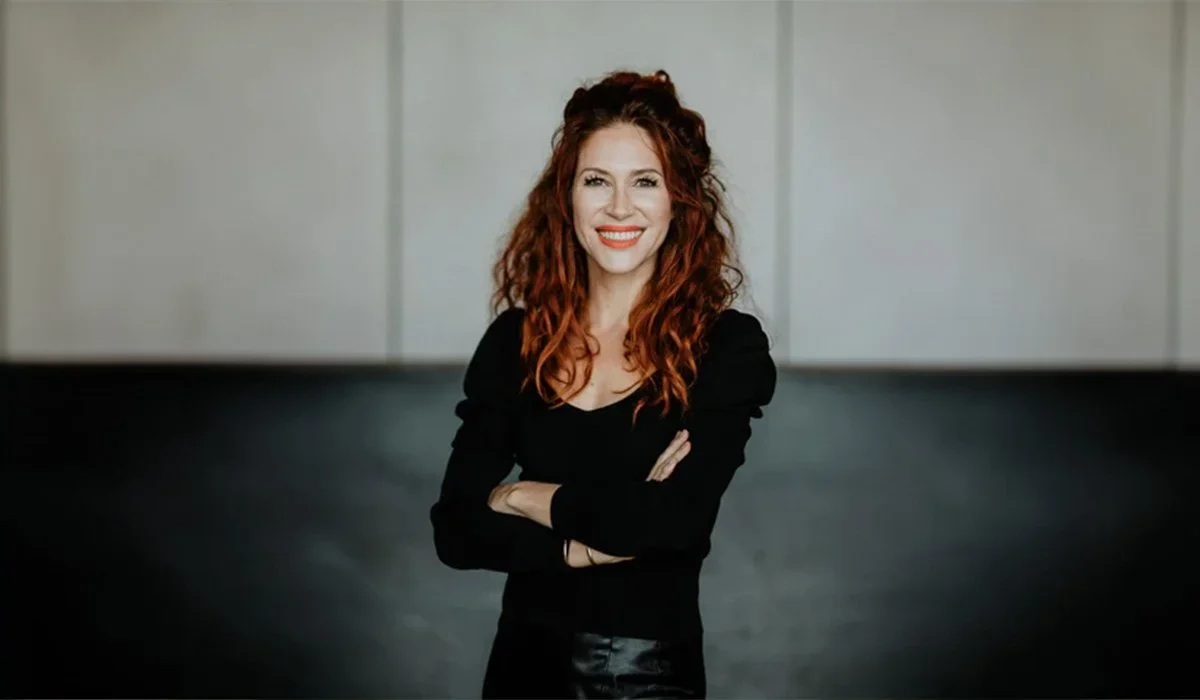
ABOUT DR JUANRI JONCK
Dr Juanri Jonck is a medical doctor with a special interest in hormone optimisation, ageing, skin health, and aesthetics. At LifeLAB Medical Practice, she focuses on the powerful link between internal hormonal balance and how patients feel, function, age, and respond to aesthetic treatments.
Her approach is science-driven yet holistic, combining evidence-based medicine with personalised care to support energy, metabolism, mood, skin quality, confidence, and long-term wellbeing. She is passionate about helping patients understand that healthy ageing starts from within, and that optimal hormonal health can play a key role in both vitality and natural-looking aesthetic outcomes.
Dr Jonck is also the co-founder of Twenty4 Medical Grade Skincare, a South African-made skincare brand created to combine medical science with effective, skin-conscious formulations.
Podcast Transcript
Prefer to read instead? Here’s the full transcript from this episode of the Baby Brunch Podcast.
Short on time? Scroll to the key takeaways below.
HOST
Welcome to another Baby Brunch podcast.
There’s a name change at hand, and I first came across it on a doctor’s Instagram account. That immediately caught my attention.
Today we’re talking about the condition previously known as PCOS (Polycystic Ovary Syndrome), which is now being referred to as PMOS (Polyendocrine Metabolic Ovarian Syndrome).
Why is this significant? Because this condition is about so much more than ovaries or fertility. It’s about a woman’s overall health and wellbeing.
Joining us once again is Dr Juanri Jonck, who has previously joined us to unpack menopause and perimenopause.
Dr Jonck, thank you for being here.
DR JUANRI JONCK
Thank you for inviting me. It’s always lovely to be here.
HOST
For years we understood PCOS mainly as an ovarian condition.
Now we’re learning it affects far more than fertility or periods.
DR JUANRI JONCK
Absolutely.
Many women have been incredibly excited about this name change because, finally, they feel heard.
For years they were told they had “an ovarian problem” or “cysts,” when in reality many never had ovarian cysts at all.
Their symptoms were often dismissed or treated separately instead of recognising that this is a condition affecting multiple systems throughout the body.
HOST
Researchers say the previous name was misleading because most women with PCOS don’t actually have ovarian cysts.
It also affects around one in eight women and extends far beyond reproductive health.
So what exactly was happening?
DR JUANRI JONCK
The old name came from the appearance of multiple immature follicles seen on ultrasound.
Those aren’t true ovarian cysts.
Many women were never diagnosed because they didn’t have those ultrasound findings, despite having all the other symptoms.
Instead of recognising one underlying condition, healthcare providers often treated individual symptoms separately.
HOST
So in simple terms, what happens in this condition?
DR JUANRI JONCK
Many women first present with irregular menstrual cycles.
Periods may be infrequent, very heavy, or stop altogether. Others struggle to conceive later in life.
What’s really happening is a disruption involving several hormone systems.
The brain and ovaries aren’t communicating effectively, affecting ovulation.
The new name reflects that this is not simply an ovarian condition.
Polyendocrine means multiple hormone systems are involved.
Metabolic highlights insulin resistance, glucose regulation, cardiovascular health, and weight management.
Ovarian still recognises the reproductive side of the condition.
This is a lifelong condition that benefits from early diagnosis and ongoing management.
HOST
So what is the goal of changing the name?
DR JUANRI JONCK
The goal isn’t to create a new disease.
It’s to give a much more accurate name to a condition that has been misunderstood and undertreated for years.
Hopefully it improves awareness, reduces stigma, encourages earlier diagnosis, and reminds both patients and healthcare professionals to treat the whole person—not just the ovaries.
HOST
It really feels like this changes the conversation.
DR JUANRI JONCK
Exactly.
It shifts attention away from cysts and back to the whole woman.
HOST
Many parents, teenagers and women may be hearing about PMOS for the first time.
What symptoms should they be looking out for?
DR JUANRI JONCK
Common signs include:
Irregular menstrual cycles
Fewer than eight periods per year
Cycles consistently longer than 35 days
Heavy periods
Difficulty falling pregnant
Weight gain despite healthy eating
Insulin resistance
Acne
Hair thinning
Excess facial hair
Darkened skin patches associated with insulin resistance
Abnormal cholesterol levels
One challenge is that many young women are prescribed the contraceptive pill to regulate their periods without anyone investigating why those periods were irregular in the first place.
HOST
Why have so many women gone undiagnosed?
DR JUANRI JONCK
Because symptoms have often been treated individually.
Acne is treated as acne.
Weight gain is blamed on lifestyle.
Irregular periods are managed with contraception.
Fertility problems are only investigated years later.
Too often, women have been told they don’t have PCOS simply because they didn’t have the typical ultrasound appearance.
The biggest issue has been that patients weren’t always being listened to.
Hopefully the increased awareness around PMOS will encourage healthcare providers to ask more questions and look at the complete picture.
HOST
Let’s talk about that complete picture.
What areas of the body can PMOS affect?
DR JUANRI JONCK
It really affects almost every aspect of health.
From the endocrine side we see:
Acne
Hair thinning
Excess hair growth
Anxiety
Depression
Sleep disturbances
Metabolically it can contribute to:
Insulin resistance
Type 2 diabetes
High cholesterol
Increased cardiovascular risk
Weight gain
On the reproductive side it can affect:
Ovulation
Menstrual cycles
Fertility
It truly is a whole-body condition.
HOST
Lifestyle also seems to play an important role.
DR JUANRI JONCK
Very much so.
Lifestyle can significantly improve insulin resistance.
Even modest weight loss can improve ovulation in many women.
Building muscle mass improves insulin sensitivity.
Healthy eating and regular movement remain incredibly important.
HOST
Can women with PMOS still fall pregnant?
DR JUANRI JONCK
Absolutely.
Many women conceive naturally and go on to have healthy pregnancies.
Others may need ovulation induction or fertility treatment.
One of the most important things is pre-conception planning.
Optimising weight, blood glucose, vitamin levels and overall health before pregnancy gives both mother and baby the best possible start.
HOST
What kind of support do women with PMOS need?
DR JUANRI JONCK
The most important thing is to be believed.
Women need less blame and more understanding.
Psychological wellbeing shouldn’t be an afterthought.
Living with acne, facial hair, weight struggles or fertility concerns can have a huge impact on confidence and mental health.
Women deserve proper assessment and clear explanations because effective treatment is available.
HOST
Who makes the diagnosis?
DR JUANRI JONCK
Usually a GP is the first step.
With increased awareness, general practitioners should be able to perform the initial investigations and identify PMOS.
If needed, they can then refer patients to a gynaecologist for ongoing management.
HOST
Many supplements now mention PCOS or PMOS.
Do they help?
DR JUANRI JONCK
Some supplements, such as inositol, have been well researched and may improve insulin sensitivity.
A Mediterranean-style diet has also shown strong benefits because of its anti-inflammatory effects.
However, supplements should complement treatment rather than replace appropriate medical care.
Some women require medication as well.
HOST
If there’s one thing you want women to know about PMOS, what would it be?
DR JUANRI JONCK
It is treatable.
It does not mean you are infertile.
It does not mean you’ve done something wrong.
Women’s health is changing rapidly. We’re learning more every year, women are speaking up, and they’re finally being heard.
There are new treatments available, and there is real hope.
HOST
Dr Juanri Jonck, thank you once again for helping us better understand women’s health.
DR JUANRI JONCK
Thank you so much for having me.
(Transcript edited for clarity and readability.)
Key Takeaways
PCOS is now being renamed PMOS
The new name, Polyendocrine Metabolic Ovarian Syndrome, better reflects that this is a whole-body condition, not simply an ovarian disorder.The old name was misleading
Many women with the condition do not have ovarian cysts, leading to years of confusion and missed diagnoses.PMOS affects far more than fertility
It can impact hormones, insulin resistance, metabolism, mental health, sleep, skin, cardiovascular health, and overall wellbeing.Irregular periods are an important warning sign
Cycles longer than 35 days, fewer than eight periods a year, heavy bleeding, or fertility challenges should be assessed.Symptoms are often treated separately
Acne, weight gain, hair loss, or irregular periods may all be connected rather than unrelated issues.Lifestyle plays an important role
Healthy eating, regular exercise, building muscle mass, and improving insulin sensitivity can significantly improve symptoms.Women with PMOS can still have healthy pregnancies
Many conceive naturally, while others benefit from fertility support and good pre-conception planning.Mental health matters too
Anxiety, depression, body image concerns, and emotional wellbeing are important parts of diagnosis and treatment.The most important step is being heard
Women deserve to have their symptoms taken seriously and assessed as a complete picture rather than in isolation.There is hope
PMOS is treatable, research is advancing rapidly, and earlier diagnosis can lead to better long-term health outcomes.